

Eye Emergencies
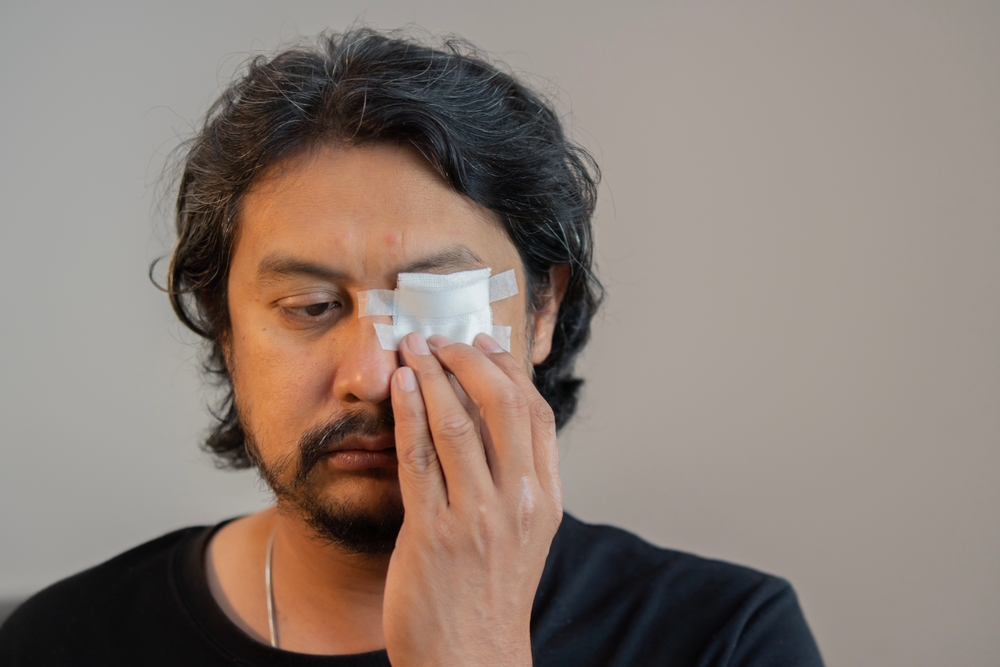
Eye emergencies cover a range of incidents and conditions such as trauma, cuts, scratches, foreign objects in the eye, burns, chemical exposure, photic retinopathy, and blunt injuries to the eye or eyelid. Since the eye is easily damaged, serious complications can occur from an eye injury; thus, any of these conditions without proper treatment can lead to a partial loss of vision or even permanent blindness. Likewise, certain eye infections, other medical conditions, such as blood clots or glaucoma, and eye problems such as a painful red eye or vision loss that are not due to injury also need urgent medical attention.
Depending on the type of injury, any of the following symptoms may be present:
Flashes of light and/or new floaters
Bleeding or other discharge from or around the eye
Bruising
Decreased vision
Double vision
Loss of vision, total or partial, in one eye or both
Pupils of unequal size
Eye pain
New or severe headaches
Itchy eyes
Redness or bloodshot appearance
A sensation of something in the eye
Sensitivity to light
Stinging or burning in the eye
One eye is not moving like the other
One eye is sticking out or bulging
Nausea or headache occurring with eye pain
A chemical injury to the eye can be caused by a work-related accident, common household products such as cleaning solutions, garden chemicals, solvents, or other types of chemicals. Fumes and aerosols can also cause chemical burns. With acid burns, the haze on the cornea often clears, and there is a good chance of recovery. However, alkaline substances such as lime, lye, drain cleaners, and sodium hydroxide found in refrigeration equipment may cause permanent damage to the cornea. It is important to flush out the eye with large amounts of clean water or salt water (saline).
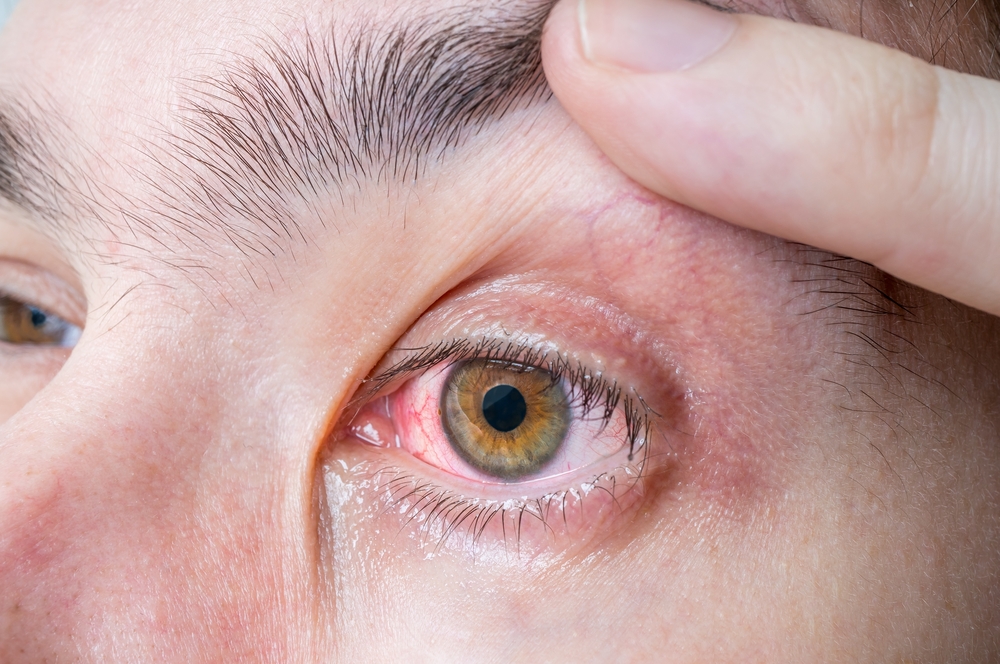
Photic retinopathy, also known as foveomacular retinitis or solar retinopathy, is damage to the eye's retina, particularly the macula, from prolonged exposure to solar radiation or other bright light, e.g., lasers or arc welders. It usually occurs due to staring at the sun, watching a solar eclipse, or viewing an ultraviolet, Illuminant D65, or other bright light. Immediate evaluation by your doctor is advised.
How to prevent eye injuries
Eye injuries can happen anywhere. Accidents can happen during high-risk activities, but also in places where you least expect them. There are things that can be done to decrease the risk of eye injuries, including wearing protective eyewear when using power tools or engaging in high-risk sporting events, following the directions carefully when working with chemicals or cleaning supplies, keeping scissors, knives, and other sharp instruments away from young children, and keeping a distance from amateur fireworks.
To decrease the chances of developing permanent eye damage, immediate medical evaluation is necessary in the event of an eye injury.

Office Hours
- Monday 8:00am - 5:00pm
- Tuesday 8:00am - 5:00pm
- Wednesday 8:00am - 5:00pm
- Thursday 8:00am - 5:00pm
- Friday 8:00am - 2:00pm
- Saturday Closed
- Sunday Closed
Contact Info
Office Address: 9815 E Bell Rd Suite 105
Scottsdale, AZ 85260
Call Or Text(480) 419-3900
Fax(480) 419-3943
© 2026 Family Eyecare of Scottsdale. All rights Reserved. Accessibility Statement - Privacy Policy - Sitemap
Powered by:
